
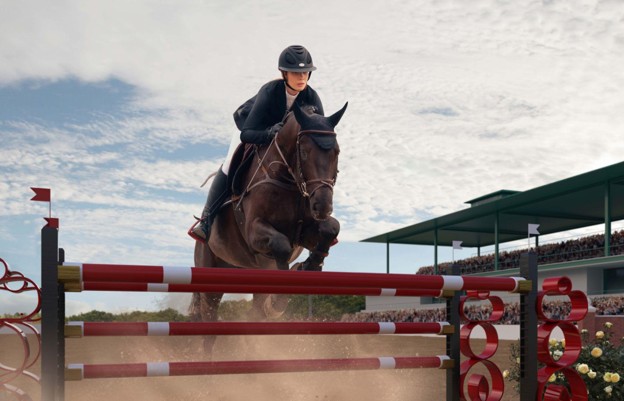
Elite show jumping is often associated with athletic ability, technical precision, and competitive success. Yet Freddie Vasquez Jr. explains that one of the most overlooked factors influencing long-term performance is emotional consistency. While strength, conditioning, and training are essential, a horse’s emotional well-being plays an equally important role in developing confidence, adaptability, and reliability both inside and outside the competition arena.
Every horse responds differently to new environments, unfamiliar courses, travel, and competition. Helping horses remain emotionally balanced allows them to approach these experiences with greater confidence, creating partnerships capable of performing consistently over time.
Emotional Consistency Is Built, Not Assumed
Just like physical conditioning, emotional consistency develops gradually.
Horses learn through repeated experiences that reinforce trust and predictability.
This development often comes from:
- Consistent routines
- Calm handling
- Patient communication
- Appropriate progression
- Positive experiences
Each interaction contributes to the horse’s overall confidence and willingness to engage with new challenges.
Confidence Begins at Home
Competition represents only a small part of a horse’s overall routine.
Most emotional development occurs during everyday activities.
Daily habits may include:
- Grooming
- Flatwork
- Hacking
- Hand walking
- Turnout
- Routine handling
These ordinary moments establish familiarity and stability, helping horses feel secure long before arriving at a competition venue.
Predictability Reduces Stress
Horses are naturally observant animals that often respond well to routine.
Consistent daily schedules can help reduce unnecessary stress by creating an environment where expectations remain clear.
Examples include:
- Similar feeding schedules
- Regular exercise routines
- Familiar handling techniques
- Consistent warm-up patterns
- Gradual exposure to new situations
Predictability encourages relaxation while allowing horses to focus their energy more effectively.
Every Horse Responds Differently
No two horses share the same personality.
Some naturally approach unfamiliar environments with curiosity, while others require additional time to build confidence.
Individual differences may be influenced by:
- Age
- Experience
- Temperament
- Previous training
- Physical maturity
Recognizing these differences allows riders to support each horse according to its individual needs rather than expecting identical responses.
Calm Riders Influence Calm Horses
Communication between horse and rider extends well beyond physical aids.
Horses often recognize changes in their rider’s posture, breathing, rhythm, and confidence.
When riders remain composed, they help create a more reassuring environment for the horse.
Helpful habits include:
- Remaining patient
- Maintaining consistent communication
- Avoiding unnecessary tension
- Responding thoughtfully to challenges
- Trusting preparation
Emotional steadiness from the rider often contributes to emotional steadiness in the horse.
Introducing New Experiences Gradually
Elite horses regularly encounter unfamiliar environments.
These may include:
- New competition venues
- Different footing
- Decorative jumps
- Travel
- Crowds
- Indoor and outdoor arenas
Gradual exposure helps horses develop confidence without becoming overwhelmed.
Instead of expecting immediate comfort, thoughtful progression allows positive experiences to accumulate naturally.
Recovery Is Part of Development
Physical recovery receives significant attention in equestrian sport, but emotional recovery is equally important.
Following demanding competitions or travel, horses benefit from opportunities to relax and return to familiar routines.
Recovery periods may involve:
- Quiet schooling sessions
- Turnout
- Light exercise
- Consistent daily care
- Reduced environmental demands
Allowing time to decompress helps maintain long-term enthusiasm and confidence.
Emotional Consistency Supports Better Learning
Learning occurs most effectively when horses remain calm and attentive.
Excessive stress may reduce their ability to process new information.
When horses feel comfortable, they are often better able to:
- Understand new exercises
- Develop confidence
- Retain training
- Adapt to changing situations
- Respond consistently
This creates a more productive learning environment while strengthening communication.
Long-Term Development Over Short-Term Results
It can be tempting to focus primarily on immediate competition outcomes.
However, preserving a horse’s emotional confidence often supports greater long-term success.
Thoughtful development emphasizes:
- Steady progress
- Positive experiences
- Responsible expectations
- Confidence building
- Sustainable performance
These priorities help establish partnerships capable of competing successfully over many years.
Emotional Balance Supports Horse Welfare
Modern horsemanship increasingly recognizes that emotional well-being is closely connected to overall welfare.
A horse that feels secure and understood is more likely to approach work with confidence and willingness.
Supporting emotional health may contribute toto the following::
- Improved relaxation
- Greater adaptability
- Better communication
- Stronger partnerships
- More enjoyable riding experiences
Horse welfare and competitive success are not opposing goals. They frequently reinforce one another.
The Value of Observation
Developing emotional consistency requires careful observation.
Experienced riders continually watch for subtle changes in behavior that may indicate how a horse is responding to training or new experiences.
Observing details such as:
- Body language
- Energy levels
- Focus
- Relaxation
- Responsiveness
helps guide thoughtful decision-making while respecting each horse’s individual needs.
Building Partnerships That Last
The strongest horse-and-rider partnerships are built through thousands of small interactions rather than a handful of memorable competitions.
Each quiet training session, routine ride, and thoughtful decision contributes to a relationship founded on trust and consistency.
Over time, these daily investments create horses that approach competition with confidence because they understand and trust the partnership they have developed with their rider.
Final Thoughts
Elite show jumping depends on far more than athletic ability alone. Emotional consistency allows horses to remain confident, adaptable, and willing as they navigate the demands of training and competition. While physical preparation remains essential, lasting success often reflects the strength of the partnership built through patience, routine, and thoughtful communication.
By recognizing the importance of emotional well-being alongside technical development, riders create environments where horses can continue learning, growing, and performing with confidence throughout their careers. In the end, emotional consistency is not simply an advantage; it is one of the foundations of responsible horsemanship and sustained competitive excellence.
